College athlete sponsorship has gone from a legal grey area to one of the most dynamic marketing channels in sports. Since 2021, brands of every size have been able to pay college athletes directly to promote products through social posts, appearances, and ambassador deals. In 2026, after a landmark legal settlement reshaped the entire system, the opportunity is bigger and more structured than ever. This guide breaks down what college athlete sponsorship looks like today, the rules brands need to know, and how to launch a campaign.
What is college athlete sponsorship?
College athlete sponsorship is a marketing partnership where a brand pays a college athlete to promote a product or service using their name, image, and likeness, commonly shortened to NIL. Until 2021, NCAA rules barred student-athletes from earning any money this way. That changed on July 1, 2021, when the NCAA adopted an interim policy letting athletes profit from their NIL for the first time. Almost overnight, a population of more than 460,000 NCAA athletes became available to brands.
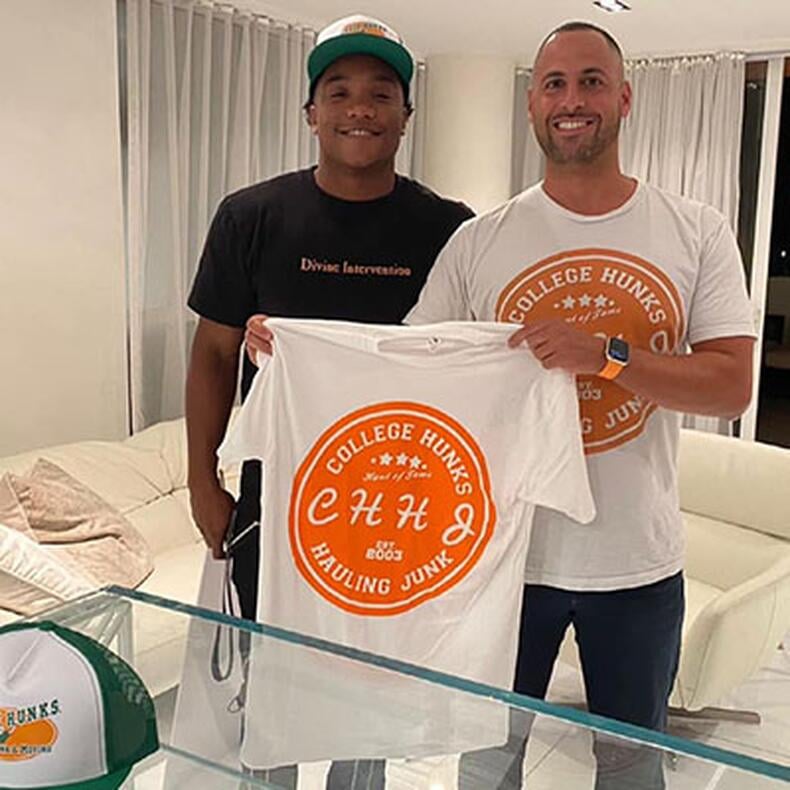
What started as a scramble has matured into a real channel. College athletes now sign deals with endemic brands like Nike, Adidas, and Under Armour, and with non-endemic names like T-Mobile, Amazon, and Sam's Club. The athletes themselves range from nationally recognized quarterbacks to gymnasts, swimmers, and track stars with deeply engaged regional and niche audiences.
The 2025 House settlement: what brands need to know
The biggest change since NIL began arrived in 2025. On June 6, 2025, a federal court gave final approval to the House v. NCAA settlement, a roughly $2.8 billion agreement that, for the first time, lets schools pay athletes directly through revenue sharing. Starting July 1, 2025, each participating school can distribute up to about $20.5 million to its athletes for the 2025-26 year, a figure set to rise over the settlement's ten-year term.
For brands, the key point is this: third-party brand sponsorships are still very much allowed, and they now run on clearer rules. A new independent body, the College Sports Commission, oversees the system, and an online portal called NIL Go (built with Deloitte) reviews deals. Any NCAA Division I athlete must report third-party NIL deals worth $600 or more, and NIL Go checks that each deal serves a genuine business purpose and sits within a reasonable range of compensation.
In plain terms, the era of unlimited, unstructured booster money is giving way to a vetted marketplace. That is good news for brands: a real sponsorship, with real deliverables at a fair market rate, is exactly what the system is now built to approve.
Why brands sponsor college athletes
College athletes offer something most influencer channels cannot: authenticity at scale, with audiences that are young, loyal, and local.
- Engaged young audiences. College athletes reach Gen Z fans, classmates, and local communities who trust them far more than a polished celebrity ad.
- Local and regional reach. A starting quarterback or a popular gymnast can own an entire city or campus market, ideal for regional rollouts and store openings.
- Authenticity. College content feels real because it is. Training clips, game-day routines, and campus life convert because they are not overproduced.
- Affordability. This is the part that surprises most marketers. As of 2026, about 81% of NIL deals come in under $100, and only 0.4% are worth more than $10,000. While a handful of headline stars carry valuations in the millions, the vast majority of college athletes are accessible to brands of any size.
The takeaway: you do not need a seven-figure budget to run an effective college athlete campaign. You need the right athletes and a clear brief. For five real-world examples, see our roundup of college athlete NIL deals.
Which college athletes should brands work with?
The college athlete pool is far wider than the football and basketball stars who make headlines, and the best fit depends on your goals.
- Marquee athletes like star quarterbacks and top basketball recruits bring national reach and large followings, but command the highest fees and the most competition.
- Mid-tier and rising athletes across every sport often deliver the strongest engagement per dollar. A starting gymnast, a conference-leading pitcher, or a popular volleyball player can move product in their community at a fraction of the cost.
- Women's sports have become one of the fastest-growing corners of NIL. Athletes in women's basketball, gymnastics, volleyball, and soccer frequently post engagement rates that outperform their follower counts, making them efficient partners.
- Niche and Olympic-sport athletes in track, swimming, wrestling, and rowing carry highly loyal, targeted audiences that suit specialty and regional brands.
The right move is rarely the biggest name. It is the athlete whose audience, sport, and content style line up with your customer. Filtering by sport, location, platform, and audience size, rather than follower count alone, is how brands find the athletes who actually convert.
How to sponsor a college athlete
There are several ways for brands to get involved, depending on budget and goals.
- Direct deals with individual athletes. Identify athletes whose audience matches your customer, agree on deliverables (social posts, an appearance, a content series), and contract directly. Best for targeted, authentic campaigns.
- NIL collectives. Many schools now have collectives, booster-funded groups that organize NIL deals for a team's roster. A brand can partner with a collective to activate multiple athletes from one program at once.
- Ambassador and multi-year deals. Rather than a one-off post, brands increasingly sign athletes across a season or their college career, with clear terms for ongoing content and likeness rights.
- Campaign formats that work. Social campaigns, commercials, appearances, product seeding, and content collaborations all perform well. The strongest campaigns time activations to the athlete's season and biggest moments.
- Through a marketplace. Platforms like OpenSponsorship let brands search thousands of college athletes by sport, audience, location, and platform, then message, contract, and pay in one place, with compliance handled end-to-end. OpenSponsorship has already facilitated hundreds of completed college-athlete deals.
Staying compliant
Compliance is where college sponsorship differs from ordinary influencer marketing, and where brands most often need help. The core rules in 2026:
- Report deals of $600 or more. Division I athletes must disclose qualifying deals through NIL Go, which vets them for a valid business purpose and fair-market pricing.
- No recruiting inducements. A sponsorship cannot be used to convince an athlete to attend, transfer to, or stay at a particular school. State laws are especially focused on this.
- State and school rules vary. A patchwork of state laws and individual school policies governs what athletes can and cannot promote. Some schools restrict certain product categories or require athletes to complete training before signing.
The practical answer is to work with a partner that builds compliance into the process rather than treating it as an afterthought. A structured platform keeps contracts, payments, and disclosures clean, so a campaign that looks great also holds up under review.
What does a college athlete sponsorship cost?
Because most deals fall under $100 and only a fraction exceed $10,000, college athlete sponsorship is one of the most cost-efficient ways to reach young, engaged audiences. Pricing depends on the athlete's following, sport, engagement, and the deliverables you want. For a fuller breakdown, see our guide on how much it costs to sponsor an athlete. The headline: you can run a meaningful, multi-athlete campaign for the price of a single mid-tier influencer post.
Getting started
College athlete sponsorship in 2026 is a structured, accessible, high-authenticity channel, no longer the wild west of 2021. Whether you want one breakout athlete or a roster-wide activation, the path is the same: define your audience, shortlist the right athletes, and run a compliant campaign.
Create a free brand account to browse and message college athletes on OpenSponsorship, or explore our case studies to see how brands win with athlete partnerships. New to the space? Our High School NIL guide and B2B athlete influencer marketing guide are good next reads.
Frequently asked questions
What is a NIL deal? A NIL deal lets a college athlete earn money from their name, image, and likeness, typically by promoting a brand through social media, appearances, or endorsements. NIL deals became legal for NCAA athletes on July 1, 2021.
Can brands still sponsor college athletes after the House settlement? Yes. The 2025 House settlement added school revenue sharing on top of NIL; it did not remove brand sponsorships. Third-party brand deals continue, now reviewed through the NIL Go portal for deals of $600 or more.
What sports have the best NIL opportunities for brands? Football and men's basketball draw the biggest names, but women's basketball, gymnastics, volleyball, and Olympic sports often deliver higher engagement per dollar and devoted, targeted audiences.
How much does it cost to sponsor a college athlete? Most NIL deals cost under $100, and only about 0.4% exceed $10,000, making college athletes accessible to brands of any size. Cost scales with the athlete's reach and the deliverables.
Do brands have to report NIL deals? The athlete reports deals of $600 or more through NIL Go. Working with a platform that handles disclosure and contracts keeps brands on the right side of the rules.